Cancer relapse has long been the nemesis of oncologists and patients alike. You beat the tumor, celebrate the remission, then months or years later, it’s back, often more aggressive than before. But what if we could teach your immune system to remember cancer cells like it remembers childhood chickenpox, creating a lasting defense that prevents relapse before it starts?
This isn’t science fiction. It’s the emerging reality of immunological memory-based cancer treatment, and it’s about to fundamentally change how we approach cancer care.
The Relapse Problem We’ve Been Fighting
Traditional cancer treatment follows a predictable pattern: detect, attack, monitor, repeat. We’ve gotten incredibly good at shrinking tumors with surgery, chemotherapy, and radiation. But here’s the catch, cancer cells are master survivors. Some always manage to hide, going dormant in tiny niches throughout your body, waiting for the right moment to resurface.
These surviving cells aren’t just lucky stragglers. They’re often the most dangerous ones, resistant to treatment, equipped with sophisticated mechanisms to evade your immune system, and capable of hijacking your body’s own defense systems to fuel their return.
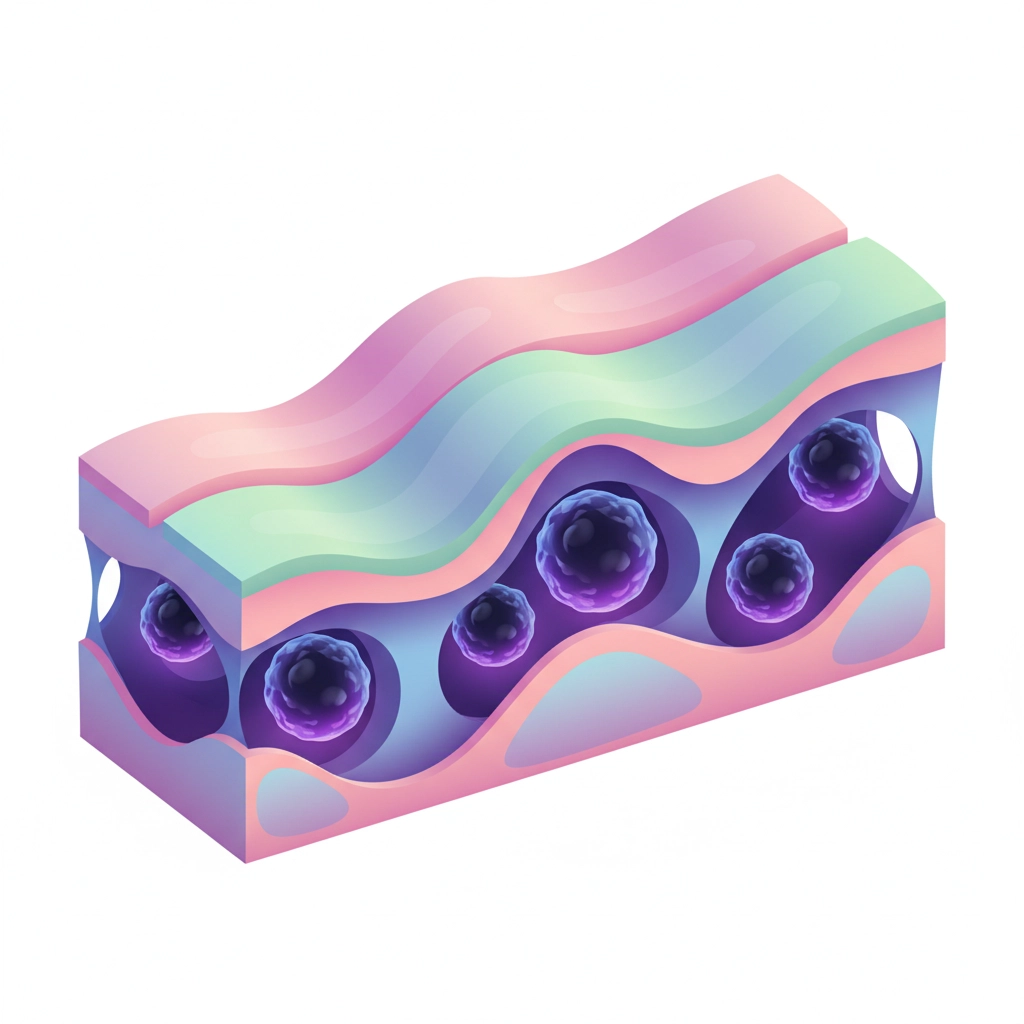
The problem runs deeper than simple survival. Research reveals that resistant cancer cells can actually flip immune signals on their head. Tumor Necrosis Factor (TNF), normally an anti-tumor cytokine in the immune arsenal, can eventually stabilize pro-tumor Treg cells and MDSCs via TNFR2 receptor. Meanwhile, tumor cells crank up production of PD-L1, Galectin-9, HMGB1 and CEACAM-1, essentially exhausting the anti-tumor immune cells before targeted by them.
Enter Immunological Memory: Your Body’s Cancer Surveillance System
Think about how vaccines work. You get a measles shot as a kid, and decades later, your immune system still recognizes and destroys measles virus on contact. That’s immunological memory in action, your T cells, B cells and NK cells remember the enemy and mount an immediate, coordinated response.
Now imagine applying that same principle to cancer. Instead of waiting for tumors to grow large enough to detect and treat, we could train these immune cells to recognize and eliminate cancer cells the moment they try to establish themselves.
This approach represents a fundamental shift from reactive to proactive cancer care. We’re not just treating the cancer you have: we’re preventing the cancer you might get.
Breaking Down Immune Memory Checkpoints
At Immumem, our proprietary MemGenX platform enables us to not only generate potent ‘true’ immunological memory in T and NK cells, but also do so by releasing the brakes (immune memory checkpoints) that normally prevent the generation of immunological memory in current cell therapy products.
This goes beyond the well-known PD-1 checkpoint inhibition that has revolutionized cancer care. We’re talking about a new class of targets that specifically enhance the formation and maintenance of immune memory, creating more durable protection against cancer relapse.
Outsmarting Cancer’s Comeback Strategy
Cancer’s ability to relapse is countered by the remarkable adaptability of immunological memory. When the immune system learns to recognize tumor-specific antigens, it creates specialized memory T and B cells that remain vigilant long-term, ready to eliminate residual cancer cells before they can regain a foothold. Unlike standard therapies that lose potency as cancer adapts, a memory-trained immune response is dynamic—reinvigorating itself and rapidly mobilizing against tumor re-challenge.
Innovative treatment regimens now harness this concept, using dosing strategies and immunological adjuvants to avoid T cell exhaustion while establishing robust, antigen-specific memory reservoirs throughout the body. These approaches deliver durable responses and ongoing protection against recurrence, essentially “outsmarting” cancer by keeping immune defenses one step ahead.
Clinical Reality: From Lab to Patient
The transition from research to clinical application is already underway. The most promising applications involve using immune memory-based treatments as adjuvant therapy: additional treatment given after primary therapy to lower the risk of cancer recurrence.
Picture this scenario: You undergo surgery to remove a tumor, followed immediately by a personalized immune memory treatment tailored to your specific cancer characteristics. Instead of the traditional “wait and see” approach, you leave the hospital with an active, trained immune surveillance system designed to prevent relapse.
Neoadjuvant applications: treatment given before primary therapy: show similar promise. By priming the immune system before surgery or chemotherapy, these approaches could make primary treatments more effective while simultaneously establishing long-term protection.
The Personalization Revolution
Perhaps the most exciting aspect of immunological memory approaches is their potential for personalization. Every cancer is unique, with its own set of identifying features. Memory-based treatments can be customized to target the specific variants most likely to cause relapse in individual patients.
This isn’t a one-size-fits-all approach. It’s precision medicine at its finest: creating a personalized immune memory profile that matches your cancer’s unique signature. The ability to load dendritic cells with patient-specific tumor antigens opens possibilities for cancer vaccines that provide comprehensive, individualized protection.
Transforming Cancer from Recurring Threat to Preventable Disease
The implications extend far beyond improved survival rates. We’re talking about transforming the entire cancer patient experience. Instead of living with the constant fear of recurrence, patients could have confidence in their body’s trained ability to recognize and eliminate cancer cells before they become dangerous.
This represents a paradigm shift in cancer philosophy. We’re moving from a model where cancer is a recurring threat requiring repeated treatment cycles to one where initial therapy creates lasting, durable protection. Cancer could transition from being a disease you battle repeatedly to one you defeat once and for all.
The future of cancer treatment isn’t just about better drugs or more precise radiation. It’s about harnessing the most sophisticated surveillance and defense system ever created: your own immune system: and giving it the memory it needs to keep you cancer-free for life.
For companies like Immumem Therapeutics, this represents not just a scientific opportunity, but a chance to fundamentally change what it means to be a cancer survivor. The question isn’t whether immunological memory will change cancer treatment: it’s how quickly we can make this transformation a reality for patients worldwide.